
Nigerian youths can no longer be passive actors in education if we truly believe they play a critical role in nation-building. We fondly call them ‘tomorrow leaders’, but the truth is that leadership does not begin tomorrow. It begins with responsibility, voice, and involvement today.
In Nigeria, we often talk about education as something ‘given’ to young people by other stakeholders such as the government, teachers, institutions, and parents. Students are expected to sit down, be quiet, listen attentively, take notes, pass exams, and move on. And we reinforce this mindset subtly through cultural expressions and adages, “Okoro anaghi akariri onye nwe ya,” which encourages young people to stay in their place and not challenge the owners of knowledge or wisdom.
While the role of adults cannot be overemphasized in educating young people, we can no longer treat them as the custodians of knowledge because this approach is failing too many people. Learning is not meant to be centralized. It is a decentralized affair, and it must remain so if innovation must continue.
“The function of education is to teach one to think intensively and to think critically.” — Martin Luther King Jr.
Young Nigerians are not only students; they are also creators, directors, builders, and problem-solvers living inside the very reality the educational system is supposed to prepare them for. And this is why the theme for the International Day of Education 2026 matters: The Power of Youth in Co-creating Education. Not just receiving it, but shaping it.
Our society must quit disempowering young people with outdated thinking. The traditional mindset treats young people as tabula rasa–blank slate or containers into which ‘adults’ pour knowledge, then measure with standardized tests and examinations before awarding certificates. But that model is stale, and is impacting our nation negatively. If young people were truly empty containers, we would not have young inventors, innovators, and even millionaires all over the world, including Nigeria.
The truth is that we all have something to learn from each other, just as much as we have so much to teach each other, regardless of age. In fact, many parents now rely on their children to help them navigate this tech-driven world. So, who says the youths cannot help the government and educational leaders navigate these persistent challenges within Nigeria’s educational system?
The world has moved forward and is making progress in bridging the gap in accessibility and equity in education. We can also achieve this! Nigeria’s reality is being shaped by global trends in many ways, and our educational system must also adapt so that we don’t leave people behind.
“Education is not the filling of a pail, but the lighting of a fire.” — W.B. Yeats
Why should Co-creation Matter in Nigeria Right Now?
Co-creating education is not a “nice idea’ that will be discussed today, and swept under the carpet tomorrow. In Nigeria’s current reality, it is a lifeline, and here is why;
1. Outdated syllabuses and disconnected learning still dominate our system. Many young people are still learning content that prepares them for yesterday’s economy, while the real world demands digital literacy, critical thinking, communication, creativity, problem-solving, and adaptability.
In many classrooms, teaching still depends on one actor, the teacher, and the success of students depends largely on memorization of information instead of understanding. Many learners are not allowed to think through problems, build solutions, communicate value, earn with skills, and navigate real-life decisions. These old approaches do not encourage curiosity.
2. Exam-focused learning has weakened real-world confidence. We still prioritize tests, exams, and scores over competence. As a result, many students graduate with certificates but without the confidence and practical know-how needed for real life. We find graduates who struggle with clear communication, entrepreneurial thinking, strong decision-making, basic problem-solving, and workplace readiness. Education becomes something to finish, “instead of something that truly equips.”
3. Weak employability outcomes create anxiety after graduation. For many young Nigerians, graduation is followed by anxiety: what next? Not because they are lazy, but the system gave them knowledge without clear pathways. Co-creation can help solve this because youth understand what skills they need now, what employers actually ask for, what learning formats work best, where to find the best learning resources, and what problems their communities face. Youths can also show how knowledge can be merged with creativity and skill to produce practical solutions.
If Nigeria wants an educational system that truly works, young people must be included, not as decorations but as contributors. They must be given a chance to try, lead and contribute, even when their ideas seem scary and unconventional. Innovation cannot thrive when you people are forced to follow only the old ways. They must be meaningfully involved instead of being limited to silence and compliance.
Young people can contribute to curricular design by pushing practical learning in areas like;
- Financial literacy
- Digital skills
- Civic education
- Communication and emotional intelligence
- Entrepreneurship and problem-solving
- Career exploration and workplace readiness
This does not throw away the basics; rather, it should be about merging what worked in the past with what is necessary today. Only then can education remain relevant, modern, and innovative.
Many young people will thrive better with interactive learning methods such as, learner-centered teaching, project-based learning, group activities, more practical problem-solving, and discussion-driven classrooms rather than fear-based learning environments.
Youth feedback can help schools answer questions like;
– Why do students struggle most in certain subjects?
– What makes them lose interest?
– Which teaching methods actually work in the environment
Youths can help shape school culture by collaborating on
- Anti-bullying systems
- Peer support structure
- Discipline models that correct without humiliation
- Safe reporting system for abuse and harassment
- Student well-being and mental health support
Beyond the classroom, we need to see more student-led projects in our grassroot communities. We need to see sanitation campaigns, basic tech support for local traders, community reading clubs, maths and literacy tutoring for juniors, micro agricultural projects, and digital skill training for local youth. So much is possible if our current leaders are not scared to decentralize power and trust young people with responsibility.
Nigeria cannot build a future-ready educational system while leaving young people out of the design process. It cannot work that way. Youth are the most important actors and stakeholders in education. They are the ones in classrooms, facing the consequences of poor education. They are the ones living in today’s Nigeria.
Nigerian youths are not empty containers; they are collaborators. If we include them as partners, not just recipients, education will stop being a struggle and start becoming a transformative tool.
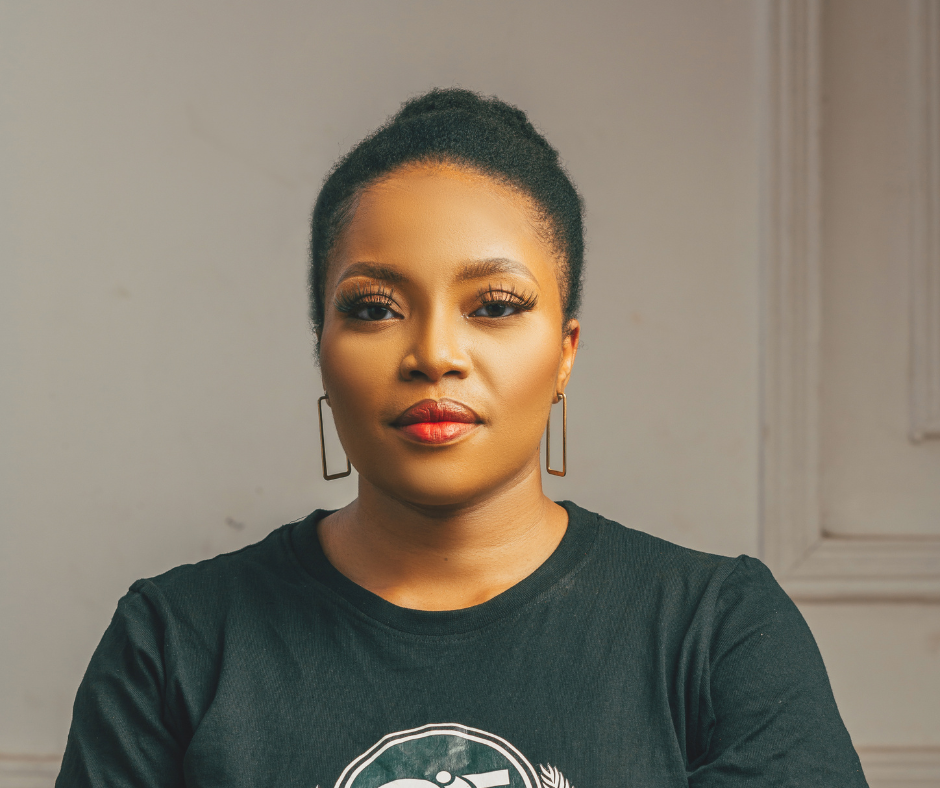
Godsgrace Chinonye Ifezue
Executive Director, Glory Ifezue Foundation
 GLORY IFEZUE FOUNDATION FOR WOMEN AND YOUTH INITIATIVE
Leave a comment